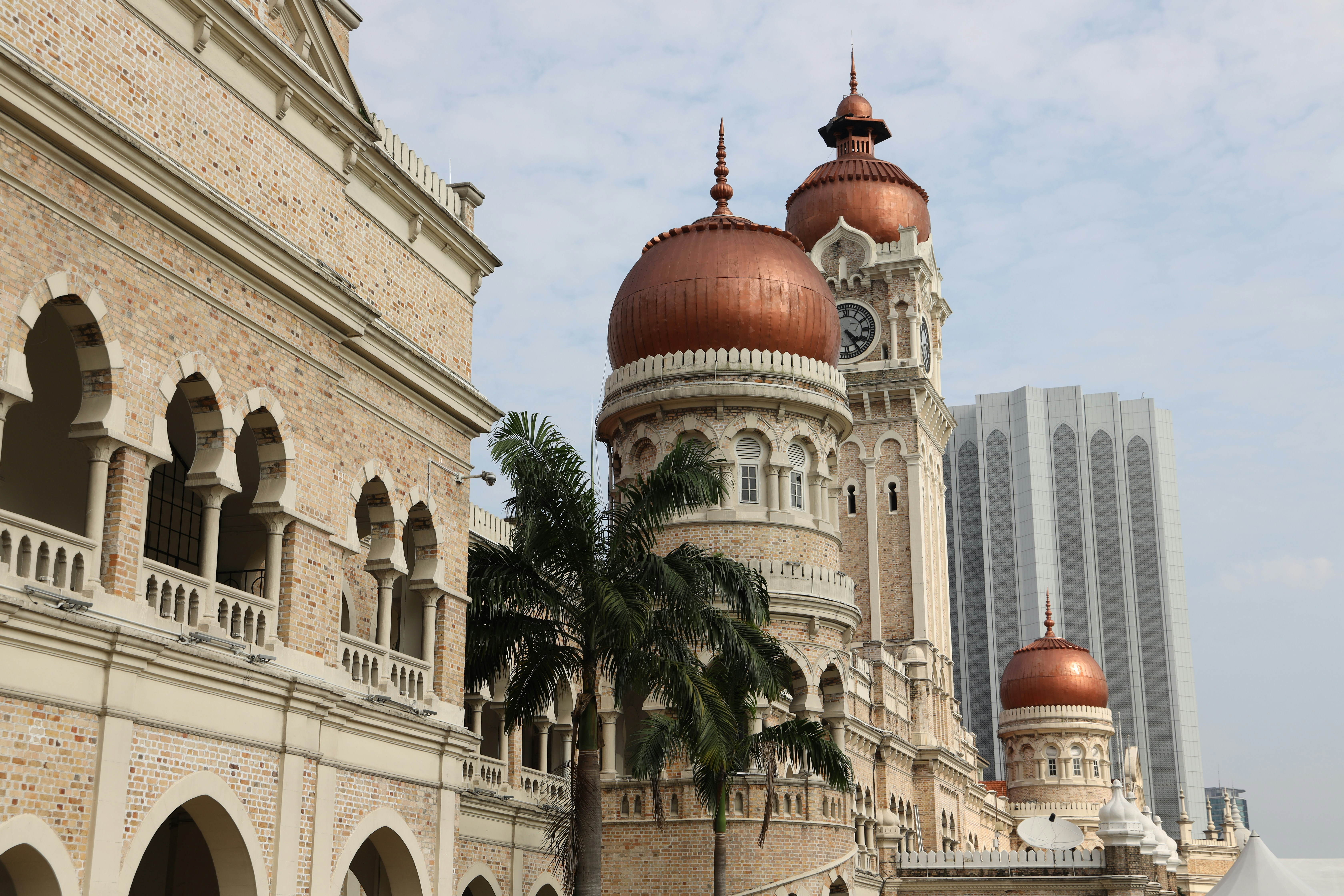


There is a simple question worth asking before buying any property in the city: Will I still want to be here ten years from now?
It is an easy question to overlook when everything is new. A beautifully designed lobby, a fresh interior, impressive facilities and a spectacular view can make a new development feel irresistible. And there is nothing wrong with that. These things matter, and they are part of what makes a home enjoyable. But buildings change.
Interiors are renovated. Furniture is replaced. Facilities are refreshed. New restaurants open, old ones close, and buildings that once seemed remarkably new eventually become part of the familiar cityscape. The address, however, remains.
That is why location deserves more attention than it often receives. Not simply because a property is "near KLCC" or "walking distance to a mall", but because a truly good location has something deeper going for it. It has a reason for people to keep coming back.


The best locations do more than sit beside something
Think about the places in a city that remain relevant long after the excitement of a new development has passed. They are rarely popular for just one reason.
People go there to work. To meet friends. To have dinner. To shop. To stay for the weekend. To see a doctor. To catch a train. To spend an evening without having planned much of it. Some come for business, others for pleasure, and many move between the two without thinking about the distinction. This is what gives a location depth.
A property next to one landmark may be convenient. A property within a district that connects several important parts of the city is something else entirely. For long-term value, that distinction matters.
The more reasons people have to be in a neighbourhood, the more naturally that neighbourhood continues to generate demand. And when those reasons have been built over decades rather than created by a single new development, they tend to be much harder to replicate.
Why established neighbourhoods have an advantage
There is a certain confidence that comes with an established part of a city. You know where to go for dinner. You know which street comes alive at night. You know where to find a quiet coffee in the morning, where the best shops are, which hotels are worth returning to and which routes get you where you need to go.
None of this appears on a masterplan. It is accumulated over time.
A newly created precinct can be beautifully planned. It can have impressive architecture, landscaped streets and a collection of carefully selected retail and dining concepts. But there is a difference between creating a place and becoming a place. That second part takes time.
Foot traffic has to develop. Businesses have to establish themselves. People have to form memories around the neighbourhood. Visitors have to become regulars. The area has to become familiar enough that people no longer think of it as "somewhere new", but simply as somewhere they go. Bukit Bintang has already made that transition.
It has been part of Kuala Lumpur's identity for generations. Long before the latest towers appeared on the skyline, people were already coming here to shop, dine, stay, meet and spend their evenings. The district has evolved considerably over the years, but its role in the city has remained remarkably resilient. That matters.
Because when you buy into an established district, you are not waiting for the neighbourhood to become desirable. You are buying into a place that already has a life of its own.
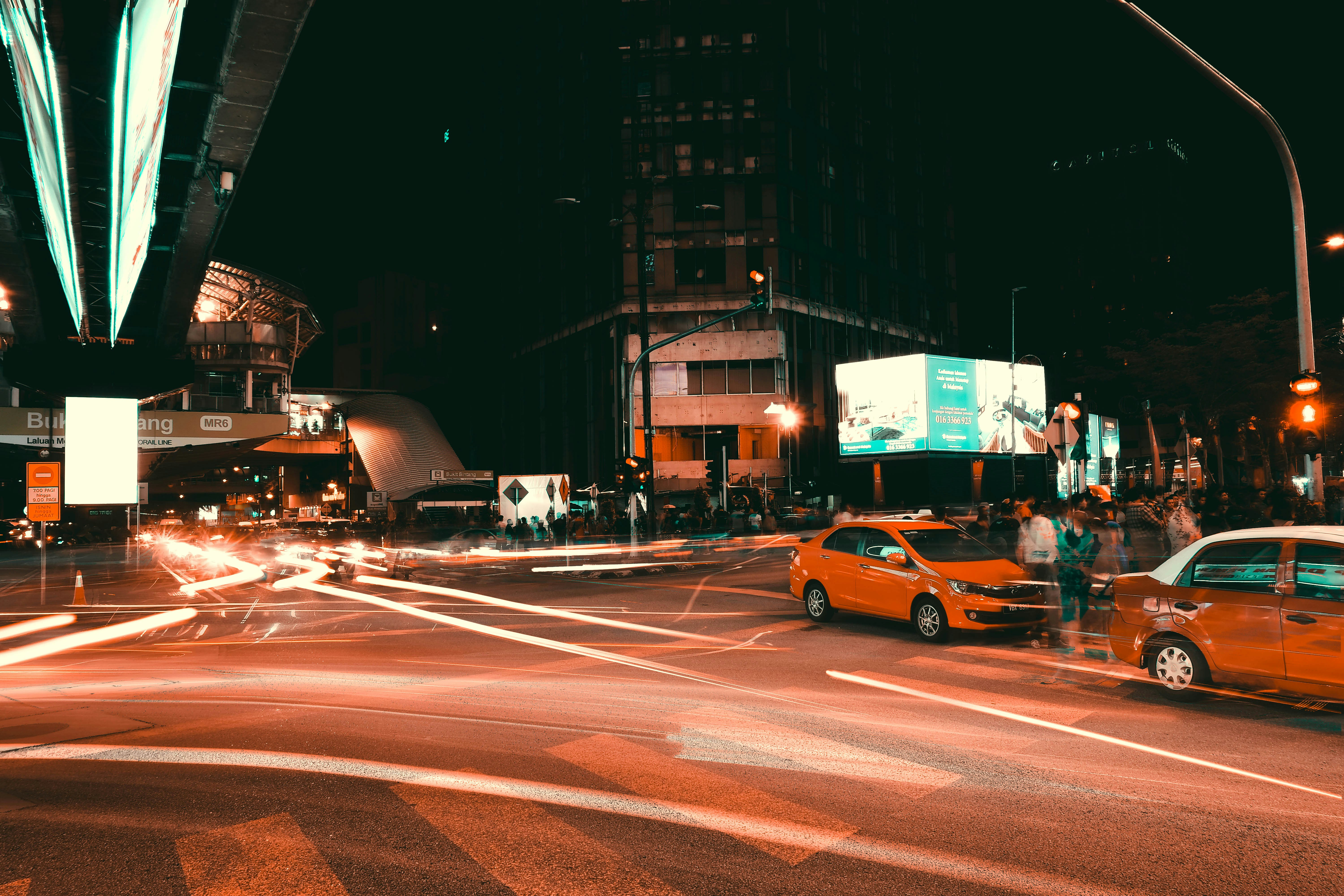
Bukit Bintang is no longer simply a retail destination
Perhaps what makes Bukit Bintang particularly interesting today is how its role in the city has expanded. The district sits within a much larger network of Kuala Lumpur's most important destinations. KLCC, TRX, Pavilion, Jalan Sultan Ismail, Changkat and the surrounding business, hospitality, retail and dining districts are all part of the same increasingly connected city centre. Rail connectivity has strengthened that relationship further.
You can live in one part of the city, work in another, have lunch somewhere else, meet friends for dinner and return home without needing to spend the entire day in a car. That may sound like a practical convenience, but over time, it becomes something more valuable. It becomes a way of living.
And this is where Bukit Bintang has an interesting position. It is not simply another business district, nor is it purely residential. It sits between different sides of the city and gives residents access to all of them.
There is energy when you want it. There are quieter corners when you do not. There are hotels, restaurants, retail, entertainment, offices and transport all within the same broader ecosystem. The city is around you, but you are not necessarily required to participate in all of it.
That balance becomes increasingly attractive as people become more particular about how they spend their time.
A mature location tends to have more than one kind of demand
This is particularly relevant when you think beyond the first purchase. A home may begin as a place for you to live. Years later, circumstances change. You may move, spend more time overseas, acquire another home or decide to rent the property out.
This is where the strength of the address becomes important. Rental demand does not come from a property's brochure. It comes from people having a reason to want to be there.
A professional may want to be close to the city's business districts. A couple may value restaurants and cultural experiences within easy reach. An overseas owner may appreciate having an established neighbourhood where almost everything they need is already familiar. A visitor may choose the area because it places them close to the parts of KL they actually came to experience.
Different people, different reasons, same location. That diversity of demand is valuable.
It means the appeal of the address does not depend entirely on one building, one developer or one new attraction continuing to perform exactly as expected.
There is also something less tangible at work
Perhaps the greatest strength of a mature location is something that is difficult to put into a spreadsheet – Familiarity.
People tend to return to places they know. They develop favourite restaurants. They remember the best route home. They recognise the streets. They know what is around the corner. They begin to feel that they belong there, even if they do not live there.
Over time, this creates a kind of emotional value around a neighbourhood. Bukit Bintang has had decades to build that. It has changed with Kuala Lumpur, rather than standing still. The city around it has grown upwards and outwards, with new commercial centres such as TRX emerging and established destinations such as KLCC continuing to evolve. Yet Bukit Bintang remains relevant because it is connected to these changes rather than isolated from them.
That is an important quality in a city-centre address. A good location should not only benefit from the city as it exists today. It should have the position to benefit as the city continues to change.

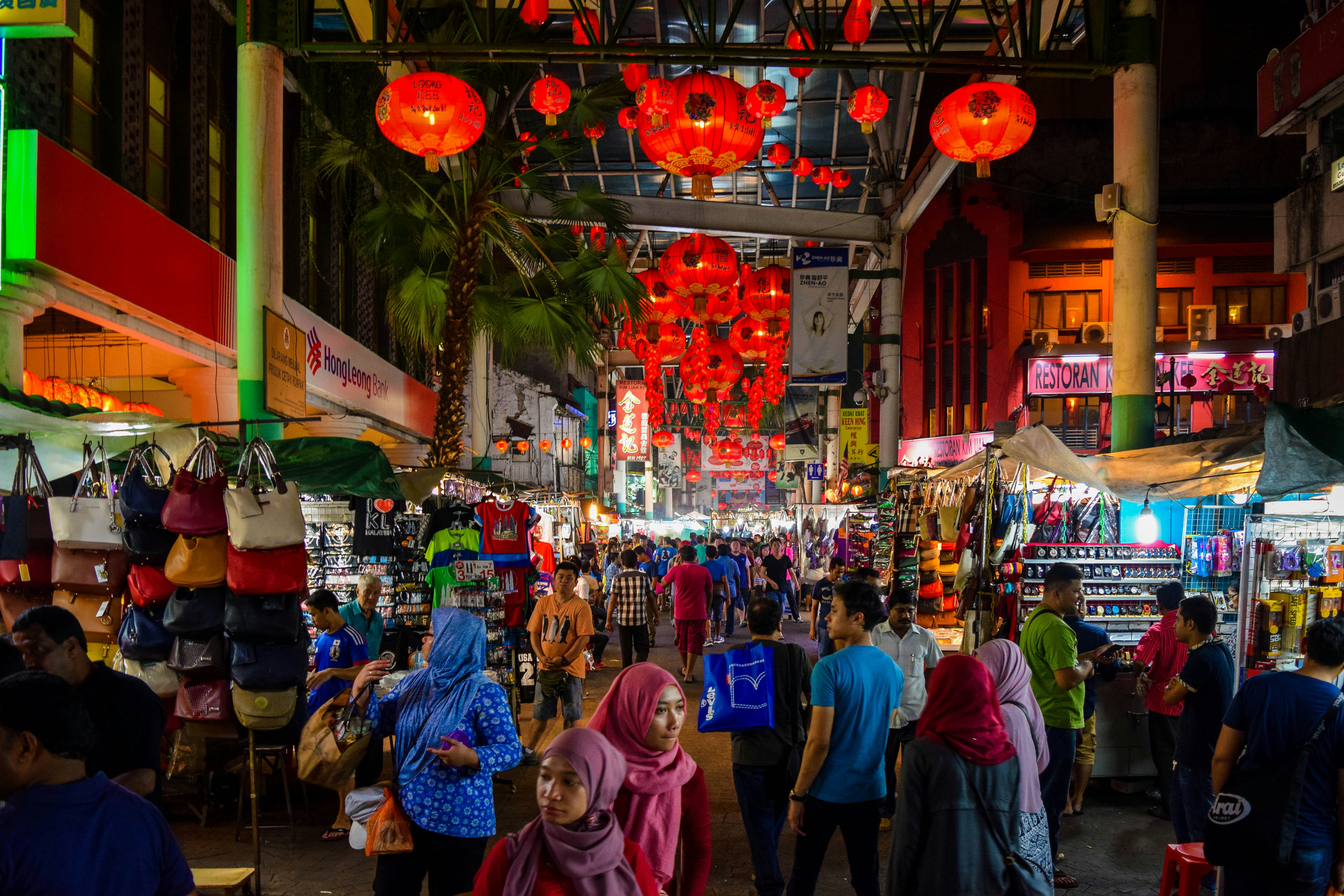


The address is the part you cannot renovate
This is ultimately why location deserves to be considered before the finishes, the facilities and even the excitement of something new. Those things can all be improved.
A kitchen can be redesigned. A lobby can be refreshed. A gym can be upgraded. A building can be repositioned. Even the way a property is managed can change considerably over its lifetime. But the address stays exactly where it is. So when considering a city-centre property, it is worth looking beyond what is being built today and asking a slightly bigger question:
What is already here, and will people still have reasons to come here years from now?
In Bukit Bintang, the answer is unusually well established. It has history without feeling stuck in the past. It has energy without being defined by it. It connects some of Kuala Lumpur's most important destinations while retaining a character of its own.
And perhaps most importantly, people already choose to spend their time here. That is not something a new development can create overnight. It is something a neighbourhood earns.
For anyone considering property with a longer view, that distinction is worth paying attention to. Because while a building can make an impression on the day you first see it, a great address is something you continue to appreciate long after the novelty has worn off.
As with any property purchase, the specific building, title, management, specifications and price still deserve careful due diligence. But once those questions are considered, there is one decision that cannot be changed later.
Where you choose to be.


