


If you spend enough time looking at property in central Kuala Lumpur, three names inevitably come up: KLCC, TRX and Bukit Bintang.
They are often grouped together under the broad idea of "prime KL", but that description makes them sound more similar than they really are. Each has its own personality.
KLCC has the confidence of a district that has already established itself on the international stage. TRX represents the next chapter of Kuala Lumpur, with a new financial centre taking shape around it. Bukit Bintang is something different again. It is older, busier, more layered and perhaps more difficult to define precisely because it was never designed to be just one thing. There is no single winner here. The more interesting question is: which version of city living feels like yours?
KLCC: The established icon
There is no mistaking KLCC.
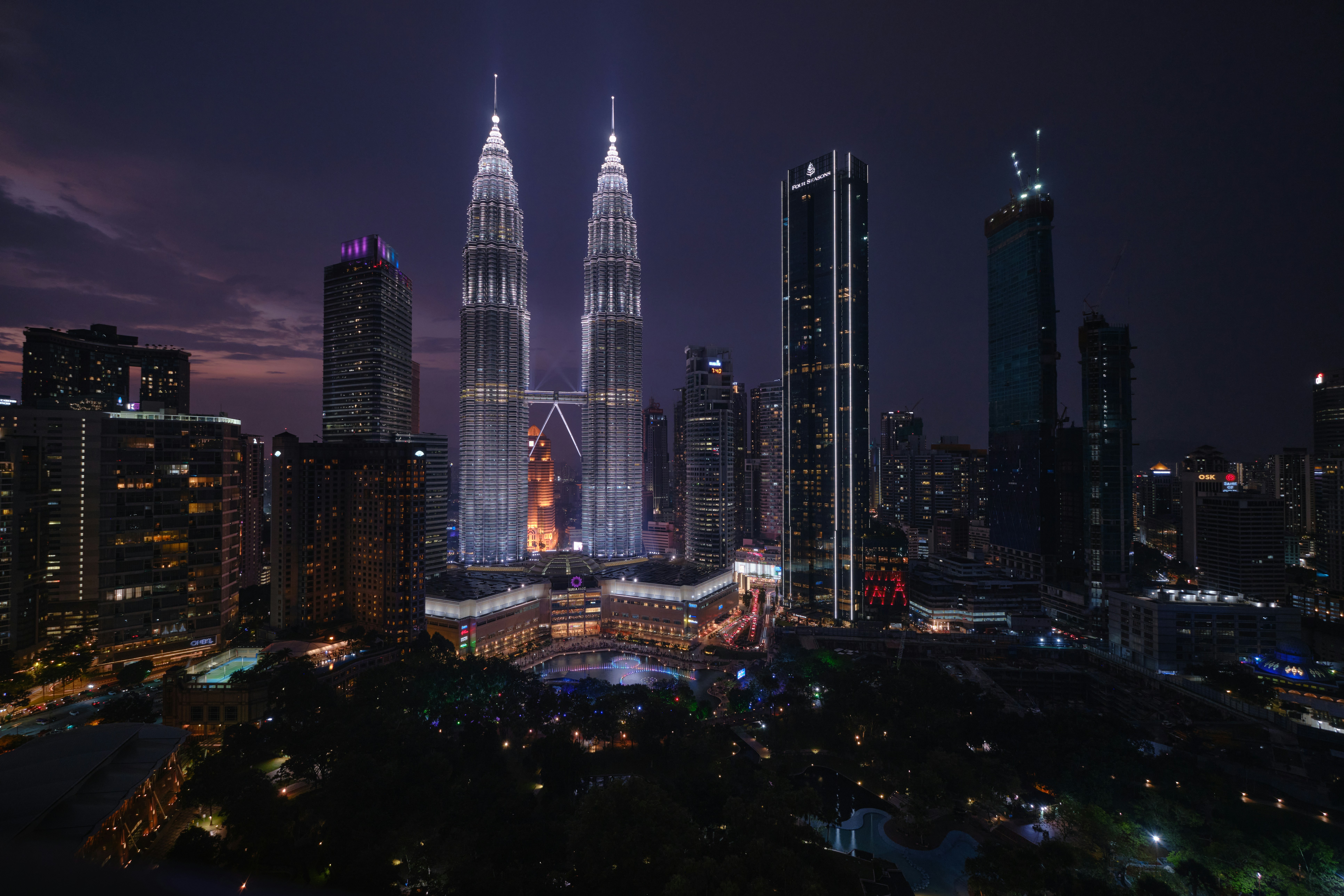
The Petronas Twin Towers have become part of Kuala Lumpur's visual identity, recognised far beyond the city itself. Around them, the district has grown into one of the country's most established business and lifestyle addresses, with Suria KLCC, KLCC Park, hotels, offices and a long-standing international presence.
There is a certain polish to KLCC. The streets feel ordered. The skyline is unmistakable. The park gives the district a sense of openness that is unusual for a central business area, while the concentration of international companies, hotels and residences has made it a natural choice for professionals and expatriates who want to be close to the heart of the city's corporate life. It is a location with history behind its premium.
For many buyers, KLCC represents the classic version of prime Kuala Lumpur: prestigious, recognisable and reassuringly established. And there is something to be said for that.
TRX: The city looking forward
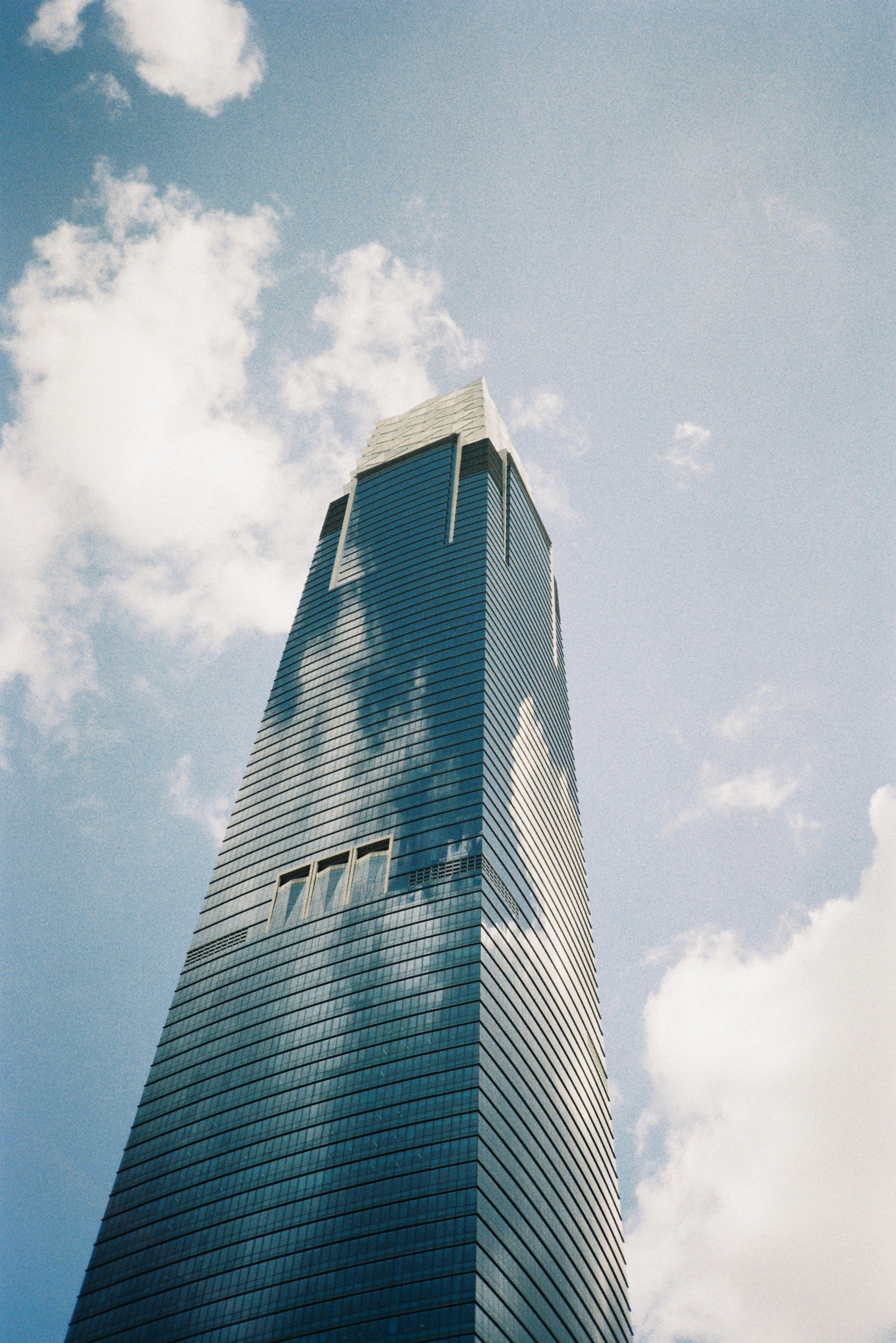
Then there is TRX. If KLCC represents what Kuala Lumpur has become, TRX is a glimpse of what it is becoming next. The Tun Razak Exchange was conceived as a new financial and business district, bringing together offices, retail, hospitality, residences and public spaces in a purpose-built urban environment. The Exchange TRX has added a major new retail and lifestyle destination, while the district's position within the city's wider transport network makes it increasingly significant.
There is an energy that comes with being somewhere new. You are watching a district establish its own identity rather than simply inheriting one. Businesses arrive, buildings open, restaurants appear and the streets gradually become more familiar.
For buyers with a longer horizon, that can be exciting. TRX represents growth, ambition and the continuing evolution of Kuala Lumpur's city centre. But there is a difference between a place that is becoming established and one that already has generations of memories attached to it.
That difference brings us to Bukit Bintang.

Bukit Bintang: The city in full colour
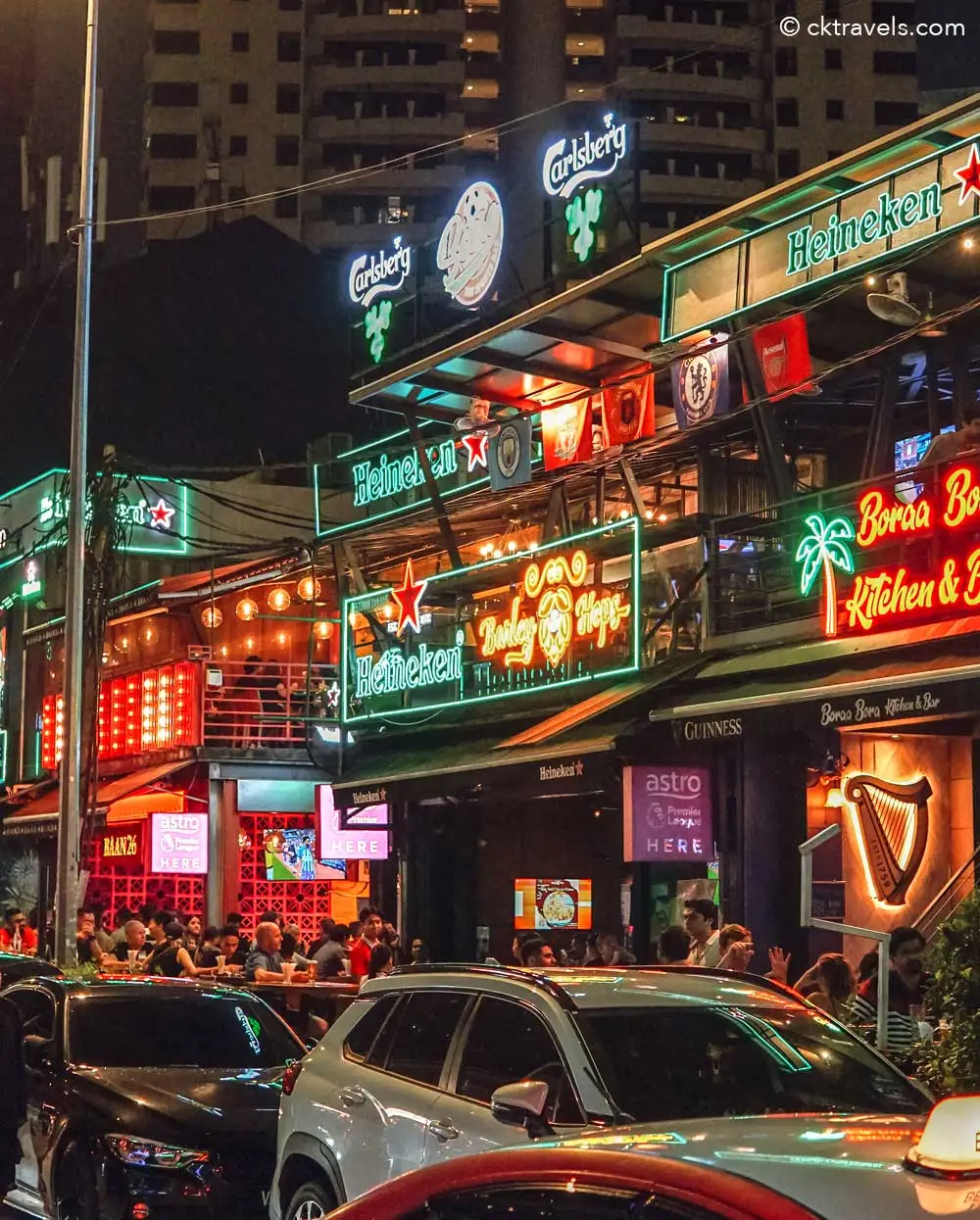
Bukit Bintang does not feel like it was designed from a single drawing. That is precisely what makes it interesting. Walk through the district and the experience changes from one street to the next. Contemporary shopping centres sit alongside long-established local businesses. Five-star hotels share the same neighbourhood as small restaurants and street food. A quiet coffee in the morning can become dinner with friends, followed by a walk through streets that remain alive well into the night.
Pavilion, The Starhill and Lot 10 bring a polished, international side to the district. Jalan Alor brings something more informal and unmistakably local. Changkat has its own evening rhythm. Around all of it are hotels, offices, residences, cafés, restaurants and shops that have accumulated over years rather than arriving all at once.
There is history here, but it does not feel preserved behind glass. It continues to evolve. That is perhaps Bukit Bintang's greatest strength. It has enough familiarity to feel established, but enough movement to remain interesting.
And then there is the location between them
Look at a map of central Kuala Lumpur and another quality becomes apparent. Bukit Bintang does not exist in isolation. It sits within a much larger network of the city's most important destinations, with direct rail connections making KLCC and TRX readily accessible from the district.
That changes the way you think about the three locations. You do not necessarily have to choose one and give up the others. From Bukit Bintang, KLCC can be part of your everyday life. TRX can be part of your everyday life. So can the restaurants, hotels, retail and cultural experiences that have made Bukit Bintang itself such an enduring destination. In other words, Bukit Bintang is not simply another point on the map. It is a point of connection. And for someone who wants to experience central Kuala Lumpur as a whole, that matters.
Three districts, three different strengths
Perhaps the easiest way to understand the difference is to think about what each place gives you.
KLCC gives you prestige and polish. It is the established international face of Kuala Lumpur, with an iconic skyline, a mature business ecosystem and the rare luxury of having a major public park at its centre.
TRX gives you possibility. It is the district looking ahead, shaped around the city's future financial and commercial ambitions. For those who enjoy being close to that momentum, there is something compelling about being part of a neighbourhood in the process of defining itself.
Bukit Bintang gives you life. Not just nightlife, and not simply retail. Life in the broader sense. The mixture of old and new, local and international, everyday and exceptional. It is a place where people come to work, stay, eat, shop, meet, explore and simply spend time. And because it has been doing that for so long, it has developed something that cannot be masterplanned. Character.
The advantage of being connected to more than one city
There is another way to look at it. KLCC, TRX and Bukit Bintang are not really competing worlds. They are increasingly part of the same central Kuala Lumpur. The question then becomes less about which skyline you prefer and more about how much of the city you want within reach.
A home should give you somewhere to return to, but it should also give you freedom to move through the city around it. Perhaps one morning calls for coffee and a quiet walk. Perhaps the afternoon is spent in a meeting in TRX. Dinner is in Bukit Bintang. Another day takes you to KLCC for a business appointment, followed by a walk through the park.
The value of being centrally located is not that you have to do all of these things. It is that you can.
Why Bukit Bintang made sense for Amiba
Bukit Bintang has the maturity of an established neighbourhood, the energy of a living city and the connectivity to reach the new centres around it.
You are close to where Kuala Lumpur has been, where it is now and where it is heading next. And perhaps that is the real appeal of Bukit Bintang. It does not ask you to choose between the polished city and the authentic one, between the established and the emerging, between business and leisure. It has always been a little bit of all of them. That is what gives the district its texture.
And for a residence like Amiba, it creates something particularly valuable: a home in the middle of a city that gives you more than one way to live it.


